22 FEBRUARRY 2019

hello welcomback to my blog 😁…

So im going to tell you guys about my activity today in my campus.

My programs still same like yesterday but my Activity lil bit different because today i’m gona show you how to use lux meter and wet bulb globe temperature….

Okay i start from lux meter

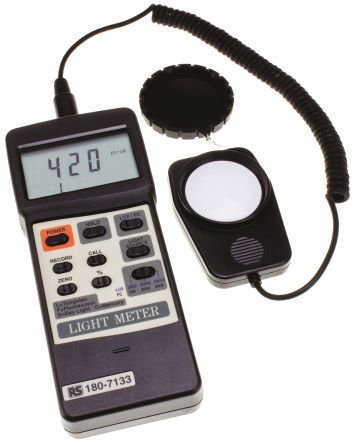
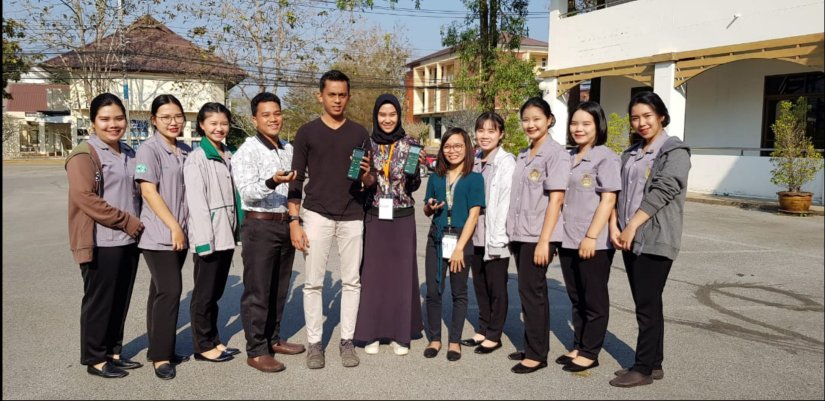
This is us , tried lux meter

The lux (symbol: lx) is the SI derived unit of illuminance and luminous emittance, measuring luminous fluxper unit area. It is equal to one lumen per square metre. In photometry, this is used as a measure of the intensity, as perceived by the human eye, of light that hits or passes through a surface

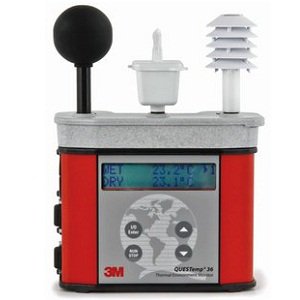
And about wet bulb globe temperature

Wet Bulb Globe TemperatureMonitoring. A WBGT device is a measurement tool that uses ambienttemperature, relative humidity, wind, and solar radiation from the sun to get a measure that can be used to monitorenvironmental conditions during exercise.

* lux meter

The easiest way to understand how light is measured is by picturing the typical light bulb with a filament that heats up producing light (Incandescent if you read the previous section). The filament is the source of the light and is at the centre of a sphere with light being emitted in every direction. The total amount of energy of all the light produced is known as the “luminous flux”.

You are probably familiar with the Lumen; this is the measure of light intensity people have generally heard of. The base unit of luminous intensity is the candela, (a single lit candle gives off roughly 1 candela). One candela per steradian (an area in a cone shape starting from the source of light) is known as a lumen.

When we measure light, we are interested in how many Lumens fall on a surface; this is what we know as lux. One lux is one lumen per square meter.

A working example, We have a light source whose total light produced (luminous flux) is 1000 lumens. If we could focus this onto the surface of 1 square metre we would have an illuminance of 1000 lux. However if the same light was spread out over 10 square meters, we would only have an illuminance of 100 lux.

An alternative measurement of light is the foot-candle, this works the same way as lux except 1 foot-candle is 1 lumen per square foot.

*wet bulb globe temperature

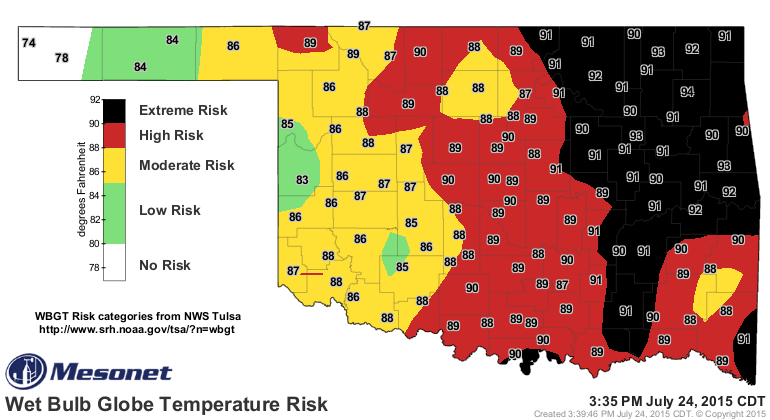
This index has been used by the US military, business, and sports teams to avoid human heat illness. It provides a guide to outdoor activities, liquid intake, and the work/rest time balance.

2015 07 24.pm 0335.WBGT_cat_public-1

The wet bulb globe temperature was created by the US Marines in 1956 at their Parris Island, South Carolina training facility. It provided a weather-based tool to let drill sergeants and officers know how far they could push recruits during outdoor activities and still avoid heat illness. The categories were set to be a guide to activity level and the balance between activity and rest times. Bright colors were assigned to each category, so that solid color flags could be flown over training areas to alert all to the wet bulb globe temperature status.

The wet bulb globe temperature index takes into account air temperature, relative humidity, wind speed, cloud cover (solar radiation), and sun angle to calculate the heat stress risk from working outdoors.

Traditionally, we have used air temperature adjusted only by relative humidity as a measure of human heat stress. That doesn’t take into account the added heat load from work or exercise in sunlight or the reduction in heat load from wind.

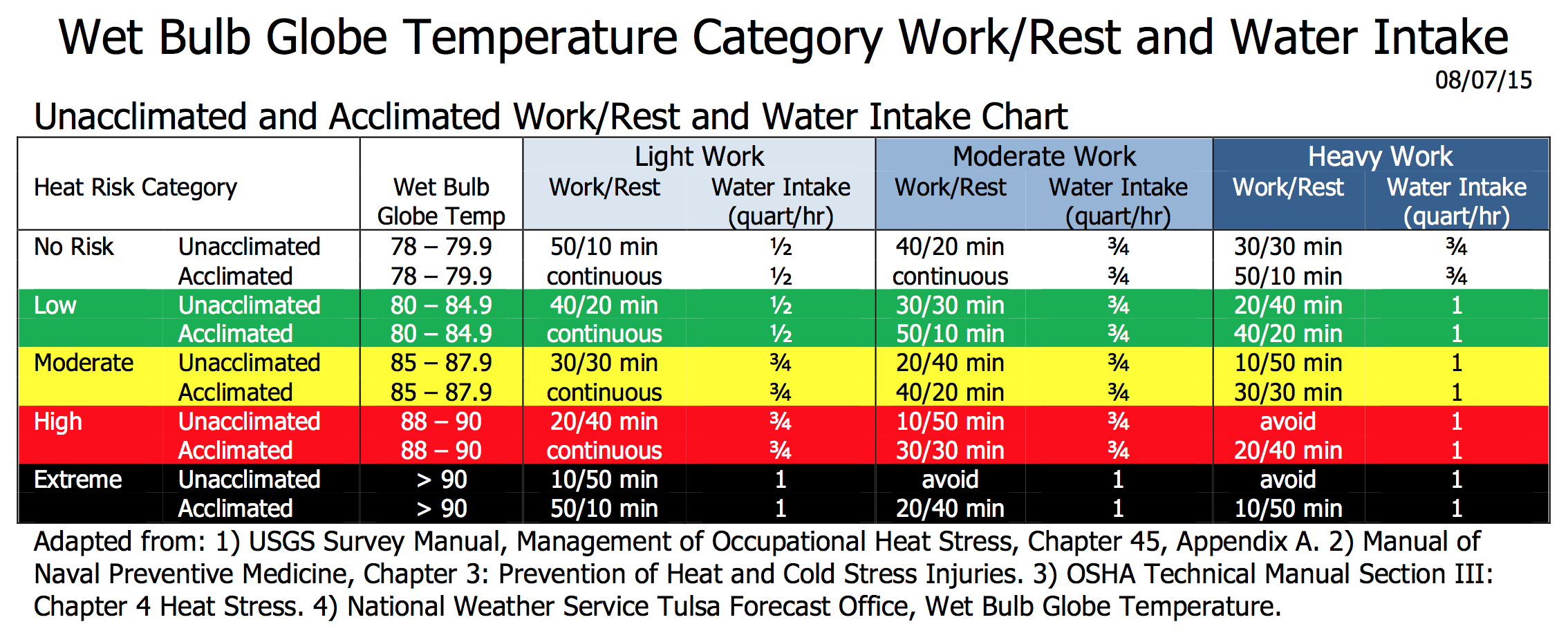
How we respond to heat exposure is highly dependent on our level of heat acclimation and hydration. The table below provides a guide to work and rest times in minutes based on wet bulb globe temperature category and whether you are acclimated or unacclimated to the heat level. It also provides a guide to the amount of water intake per hour by heat category.

WBGT Work Rest chart

Recommendations above are for healthy, hydrated humans fully clothed with lightweight summer working clothes. Increase Wet Bulb Globe Temperature (WBGT) by 2 units, when wearing cotton coveralls. Increase WBGT by 4 units, when wearing heavy winter-type clothing. Increase WBGT by 6 units, when wearing permeable, water barrier clothing. Increase WBGT by 10 units, when wearing full-body, impermeable, protective clothing (e.g. Tyvek coveralls and hood) while conducting “Light Work” and increase WBGT by 20 units for “Moderate to Hard Work” tasks. Heat tolerance can be impacted by hydration, overall health, medications, and level of acclimation.
Getting acclimated to high heat conditions typically takes 5 days of heat exposure. It is recommended that you start at the unacclimated level on day one and then increase work and decrease rest times by 20 percent each day.

Rest periods in the table above assume that a person is in the same outdoor conditions. Persons should shade themselves during rest breaks, whenever possible.

Water intake can vary for individuals (+/– 1?4 quart/hr) and exposure to full sun or full shade (+/– 1?4 quart/hr). Sports drinks can be used for a portion of your water intake. The balance between the two depends on the outdoor activity and length of activity. Avoid high sugar soda pop and alcoholic beverages.

A couple of important take away lessons from wet bulb globe temperature and outdoor activities:

– Wet bulb globe temperature is a new heat stress index for most of us, so you’ll need to monitor it under moderate and high heat conditions to learn how to use it.

– Most of us spend so much time in air conditioned buildings or vehicles, few of us are acclimated to high heat conditions.

– We need to let the wet bulb globe temperature and our physical condition dictate how long we work, not the task.

– We need to stay ahead of dehydration by hydrating before outdoor activities and drinking enough water during outdoor activities.

Maybe thats all that i can share to you guys , hope u’ll enjoy

assalamualaikum

Leave a comment